
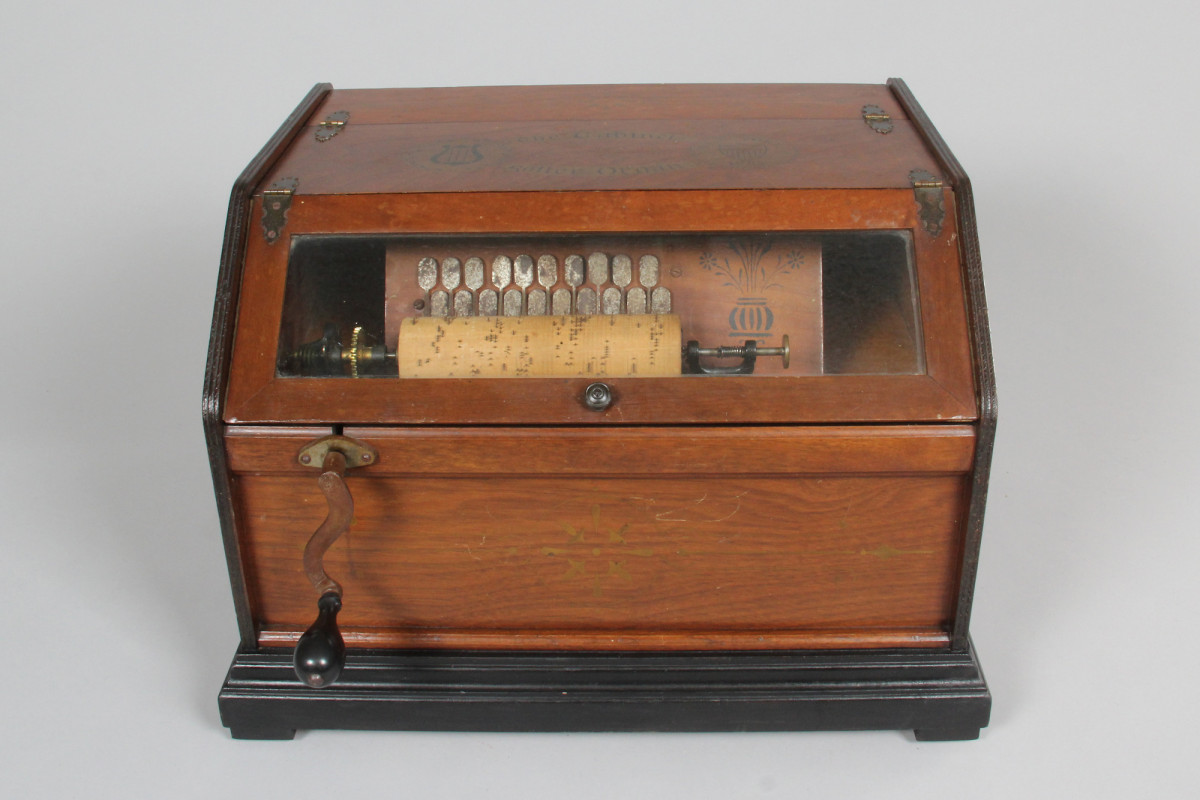
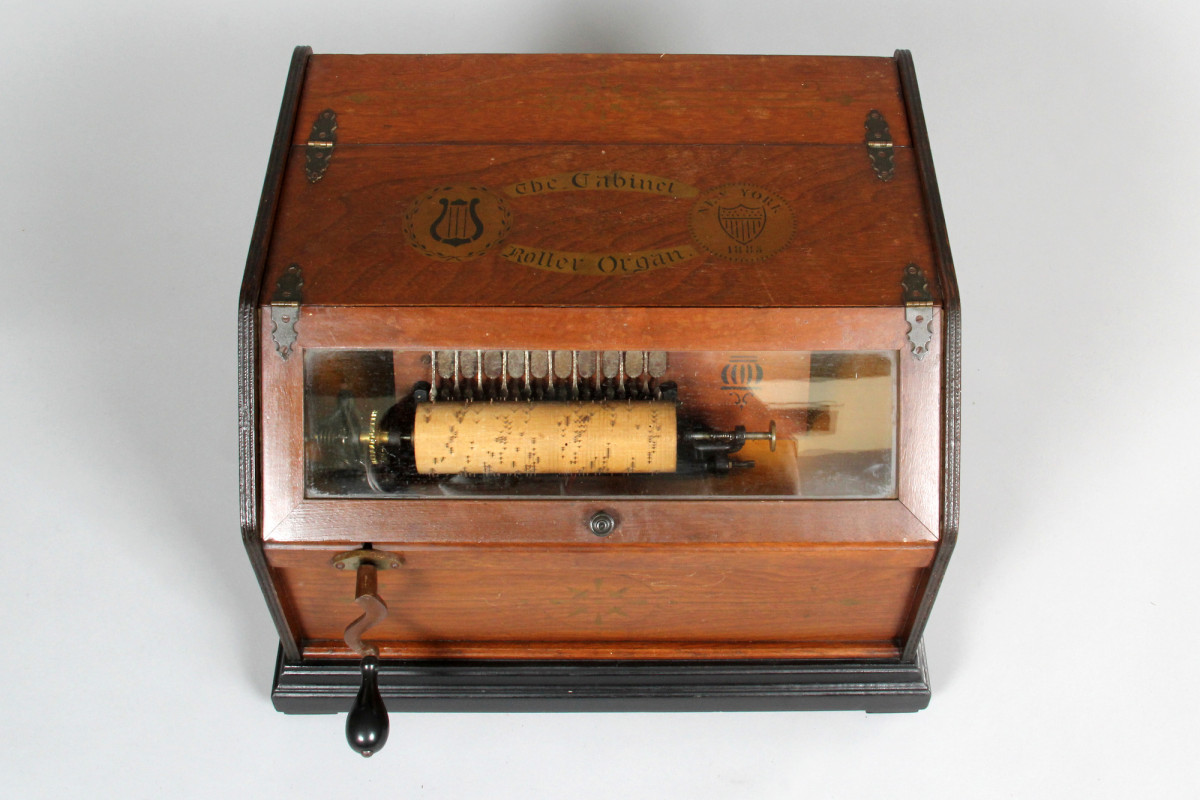
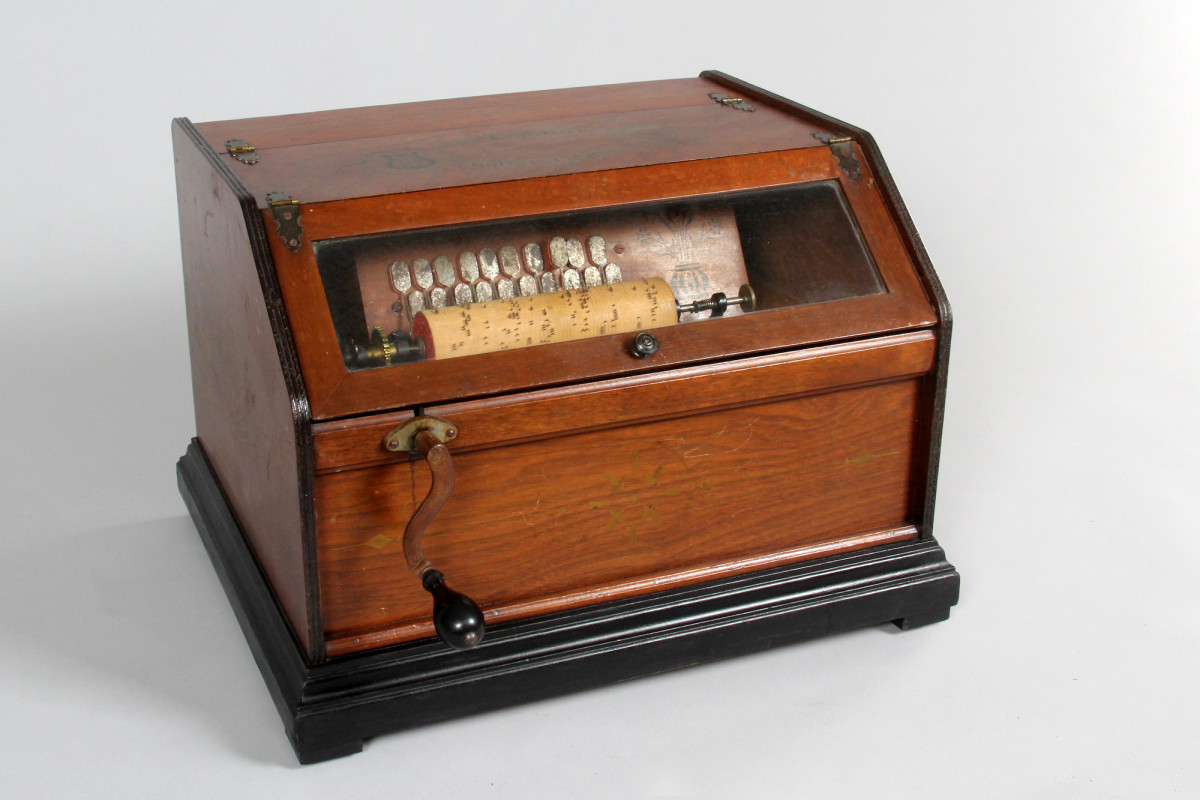
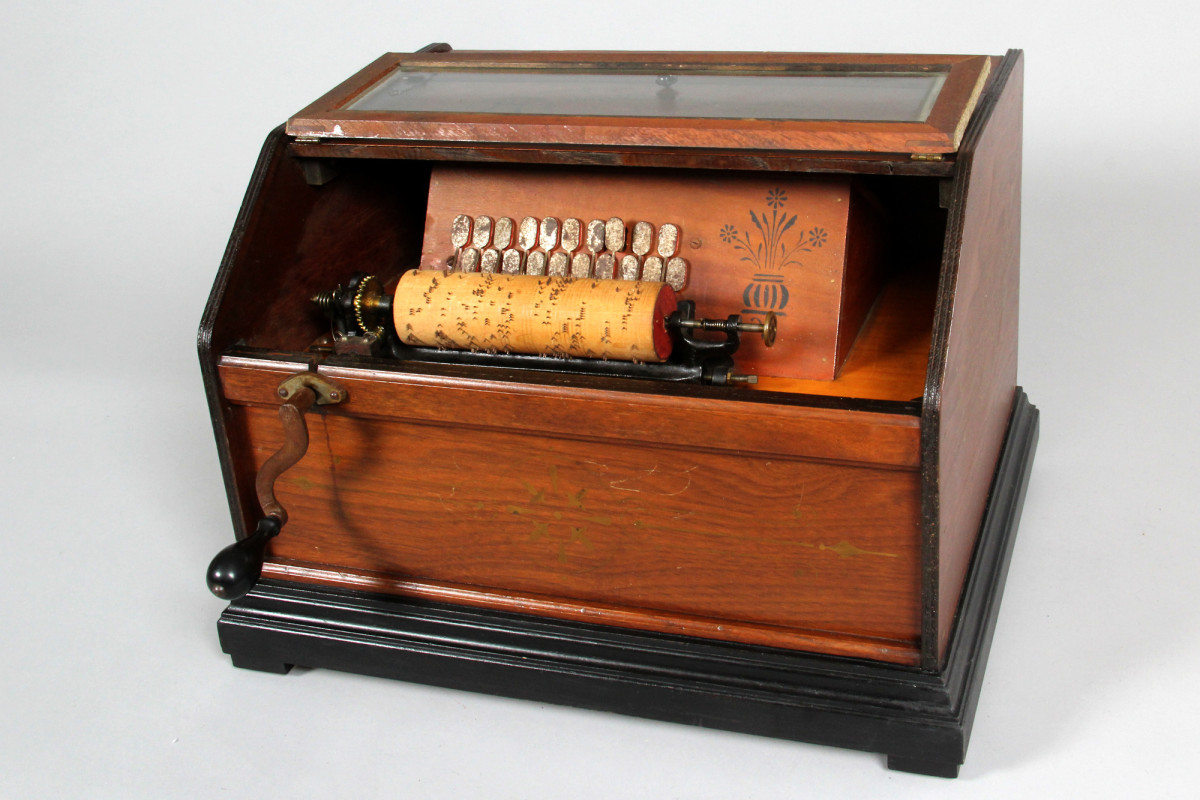
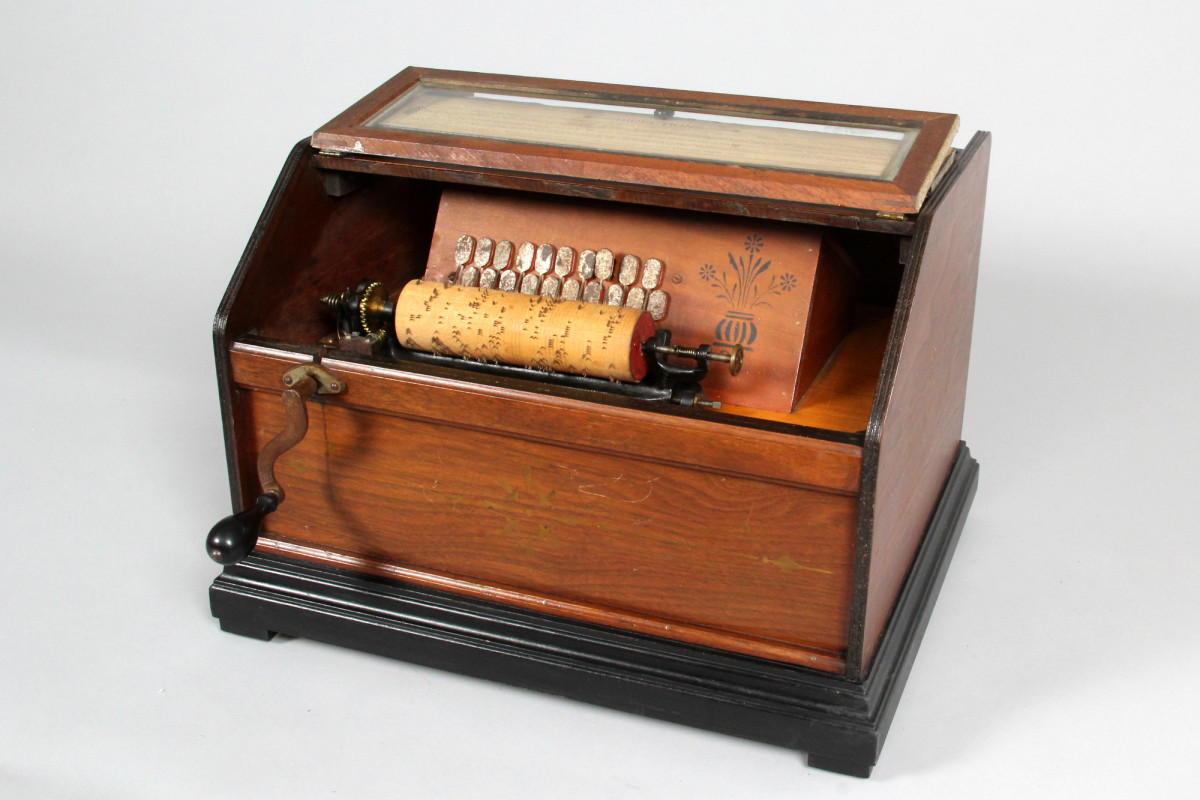


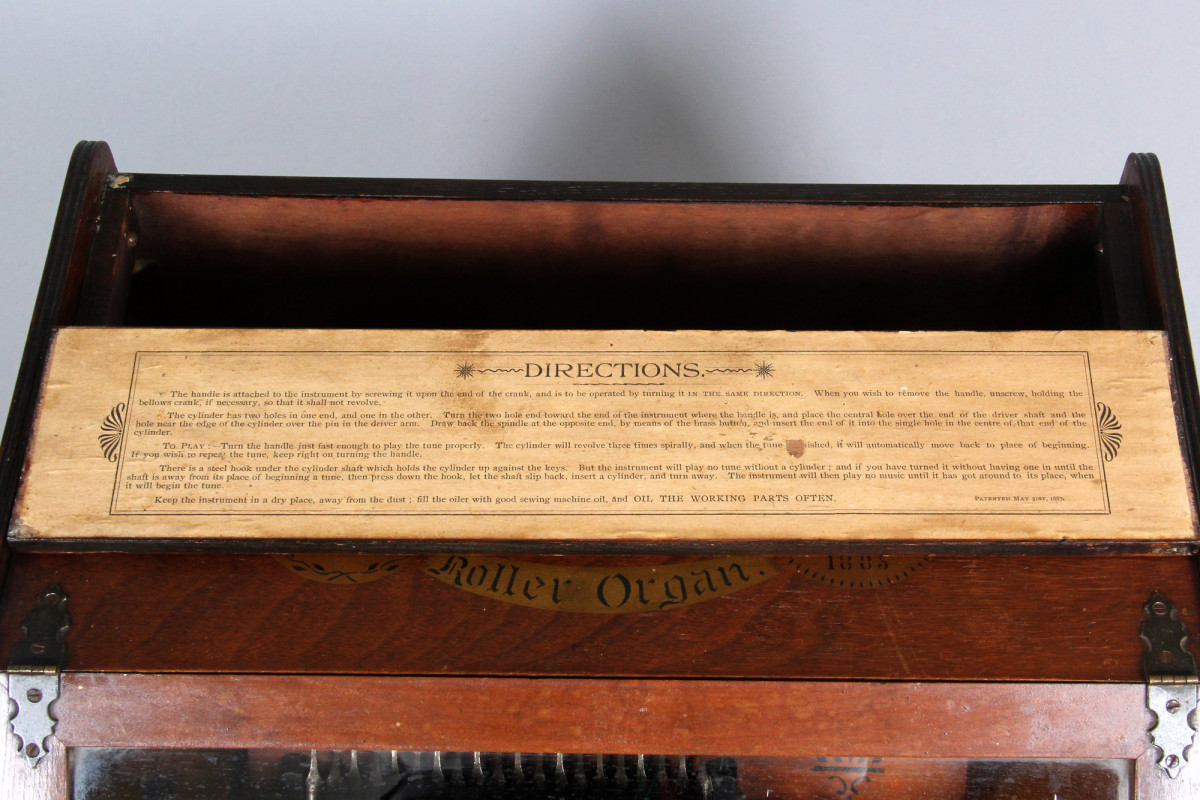
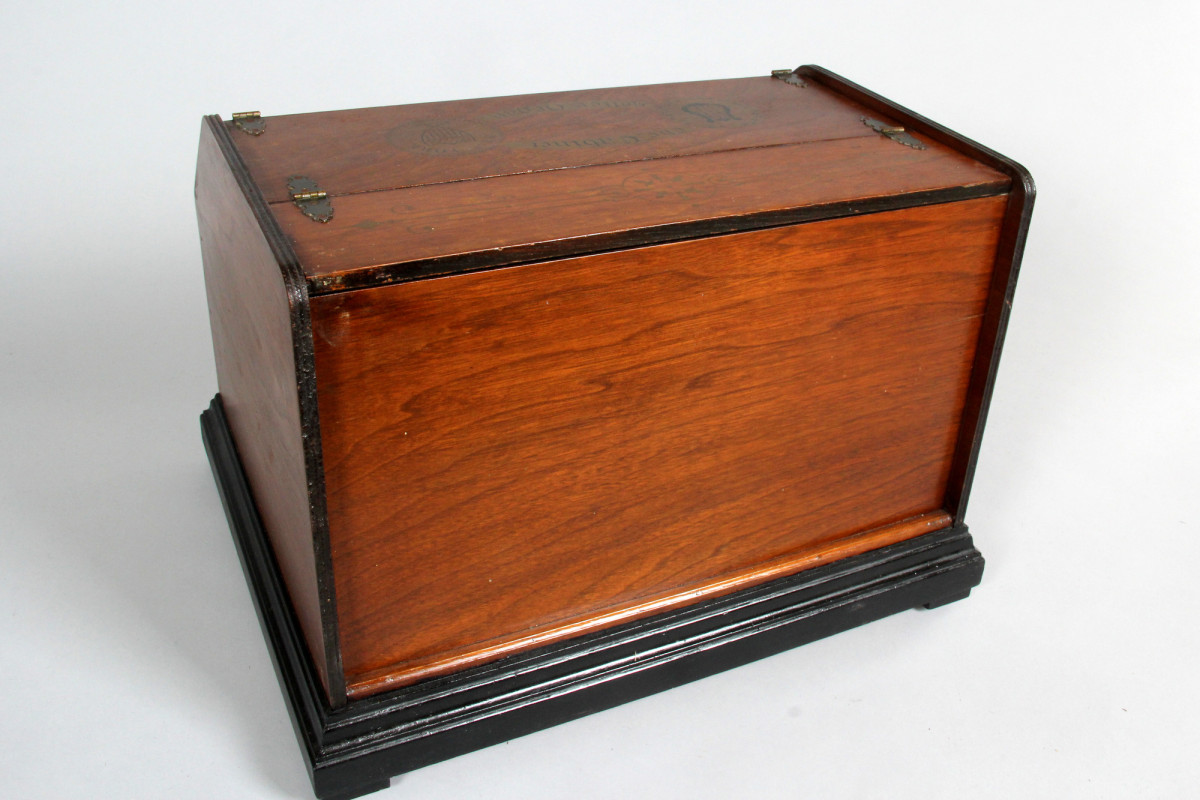
The cylinder organ—an instrument, or perhaps more accurately, a mechanical device—dates back to the late 19th century, likely crafted by an unknown manufacturer in the United States.
Unlike traditional organs, this fascinating invention required no knowledge of musical notation or finger placement. Instead, the player simply turned a crank, which simultaneously filled the bellows with air and rotated a wooden cylinder embedded with metal pins—giving it the nickname "the stalk" due to its resemblance to a grain ear. These pins encoded a melody, strategically arranged to activate small openings at precisely the right moments, allowing air to flow through pipes or metal reeds.
This ingenious mechanism produced distinct, organ-like tones, earning it the name cylinder organ—a marvel of automatic music from an era of craftsmanship and ingenuity.