
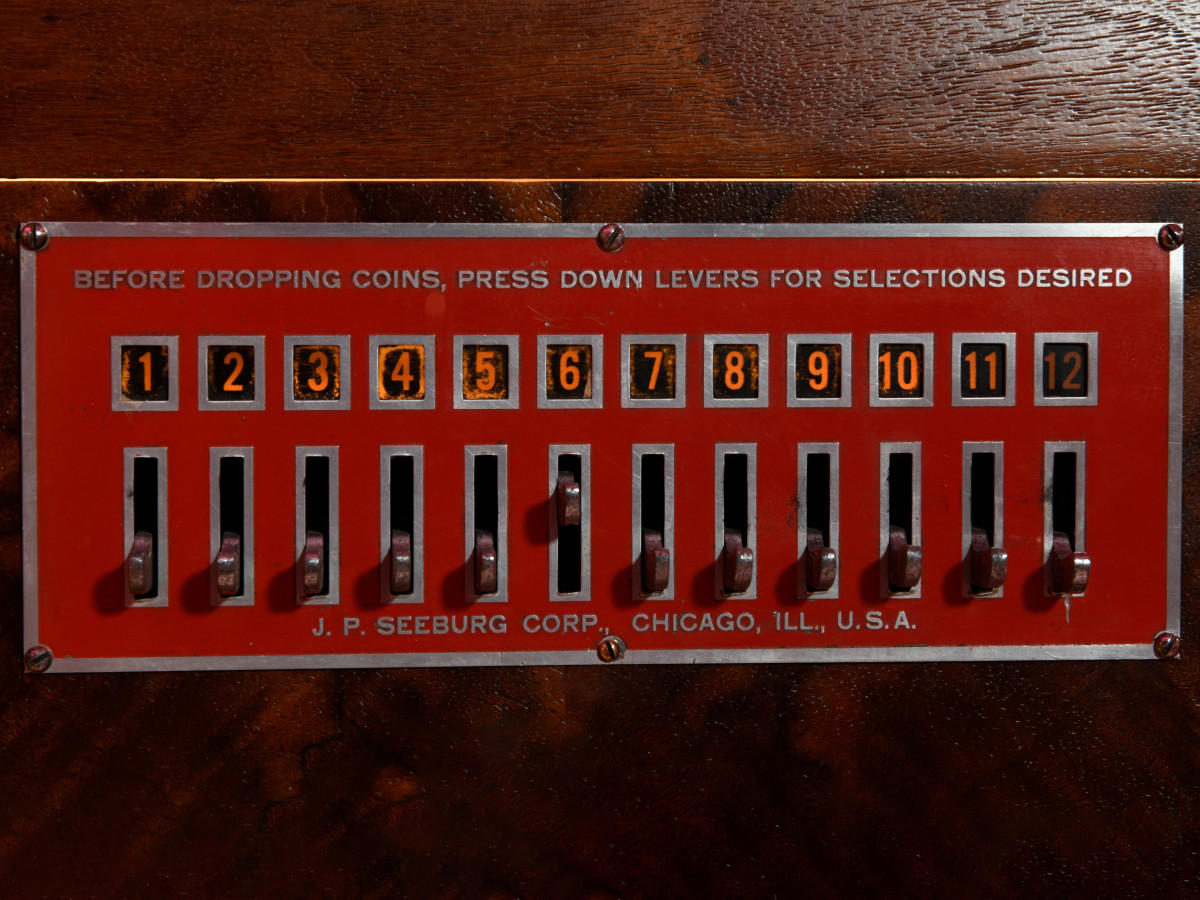
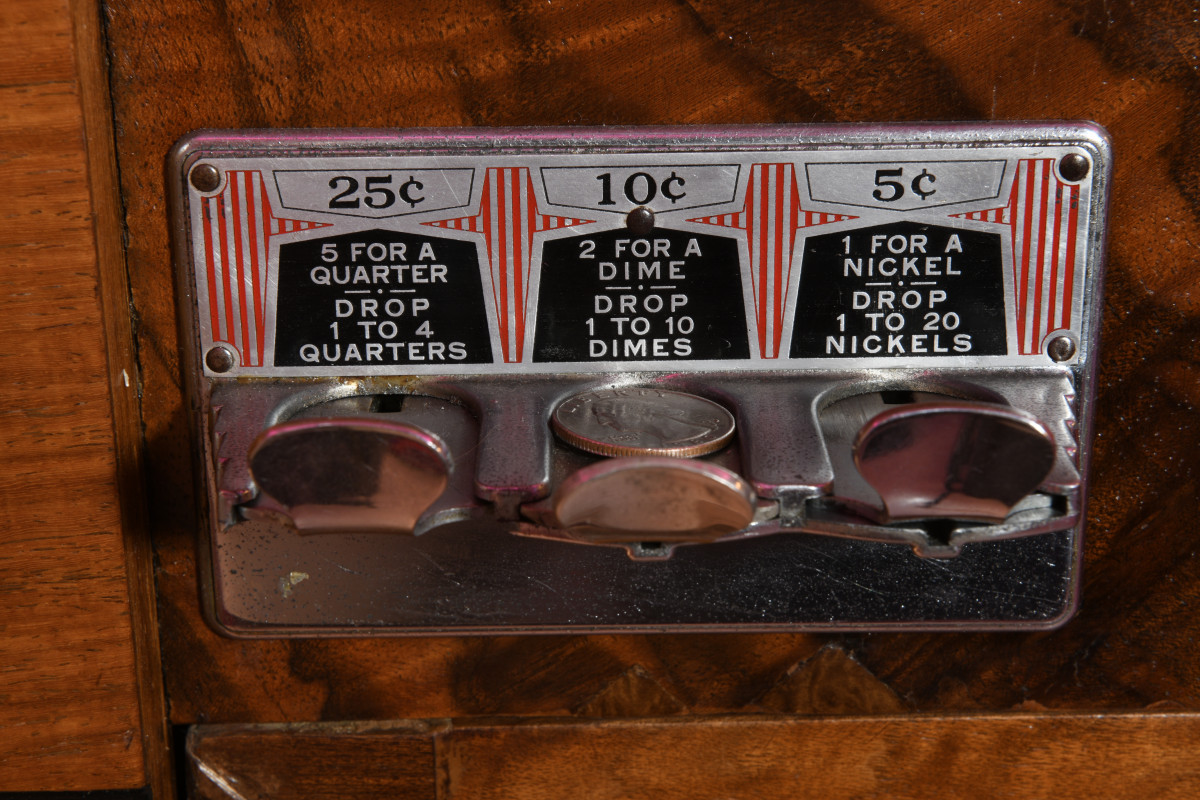
Seeburg "J" Symphonola – A Pioneer of Style and Sound
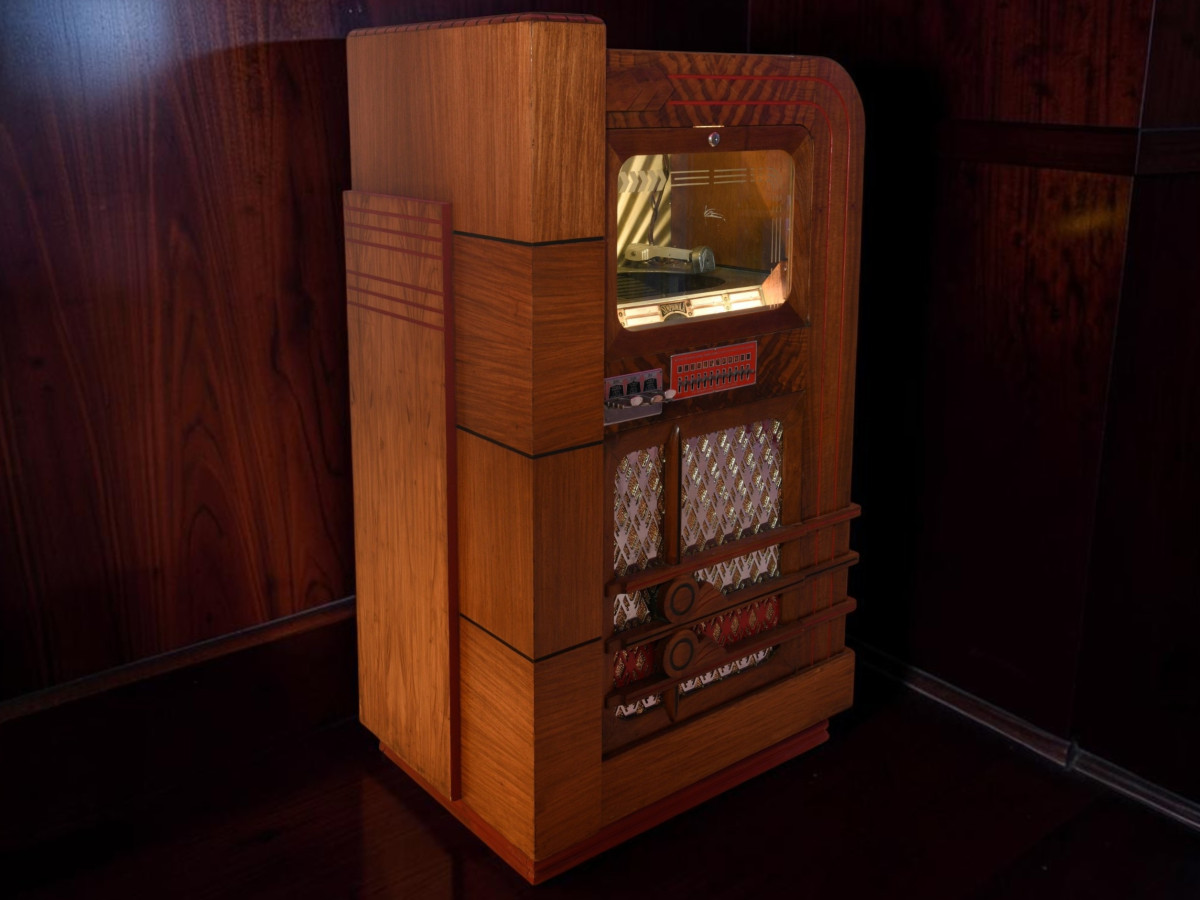
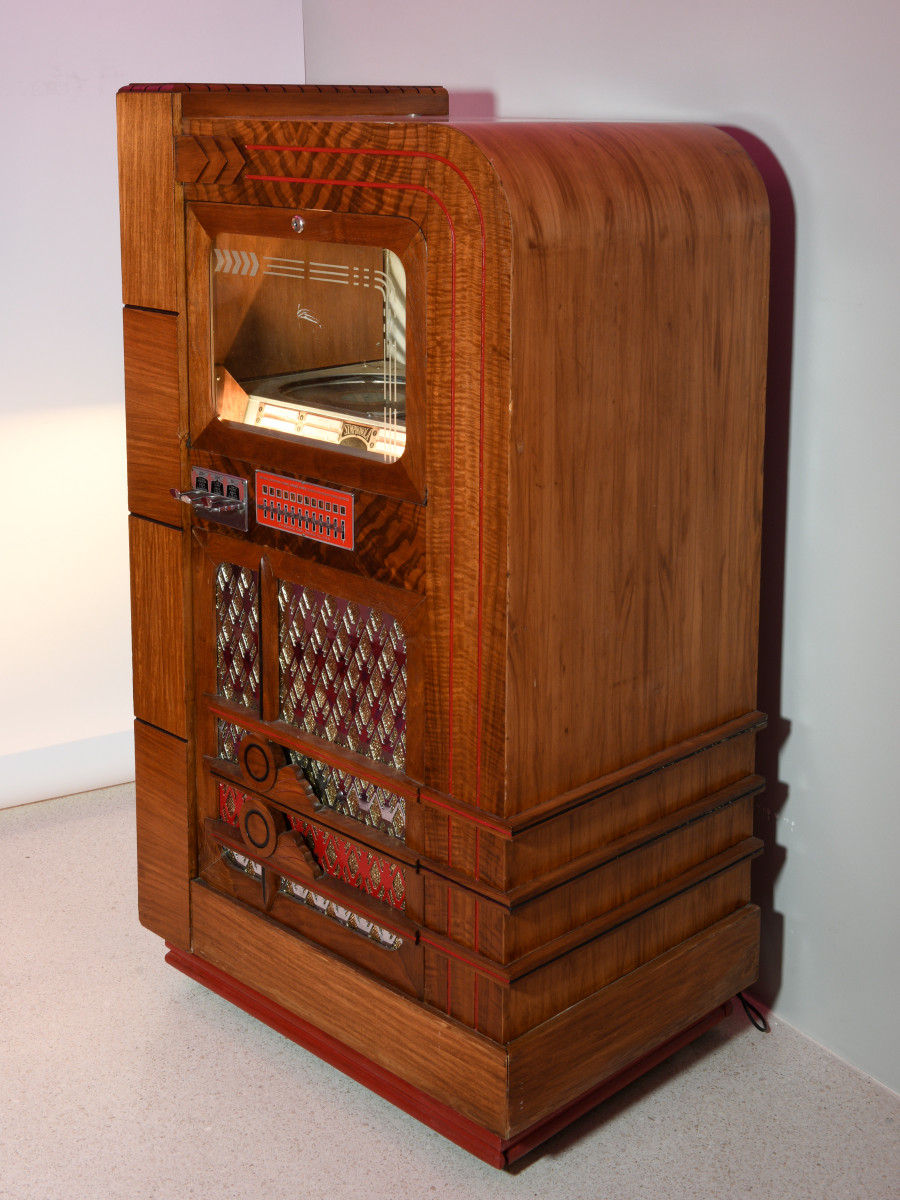
When the Seeburg "J" Symphonola debuted in 1937, it marked a turning point — a jukebox that combined technical precision with visual charm. Its elegant cabinet, glowing highlights, and center-mounted selection mechanism made it a magnet for curious eyes.
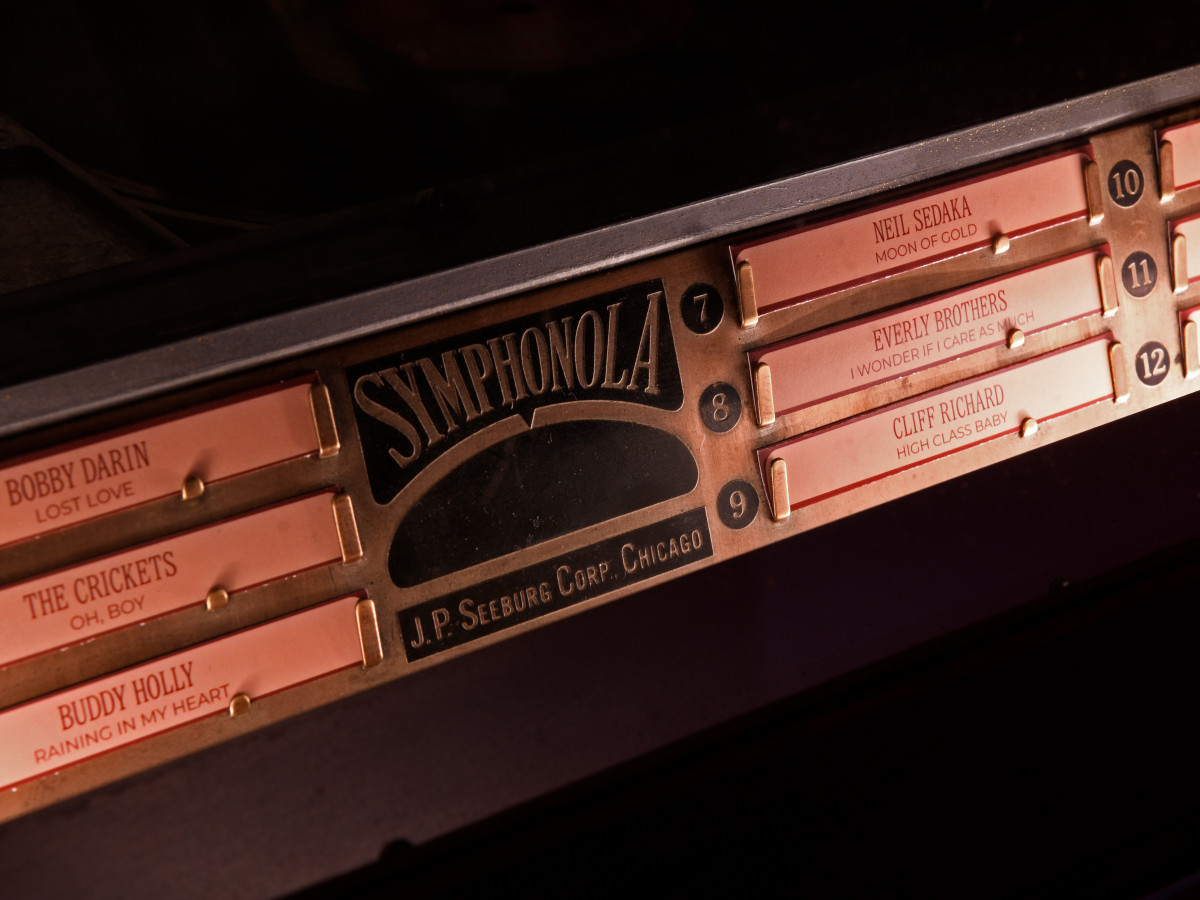
Behind the model stood the J.P. Seeburg Company, named after its founder, Justus P. Seeburg — originally Justus Sjöberg, a Swedish engineer who Americanized his name after moving to the United States. From the early 1900s, Seeburg helped redefine public music listening, from orchestrions and player pianos to the very first music machines.
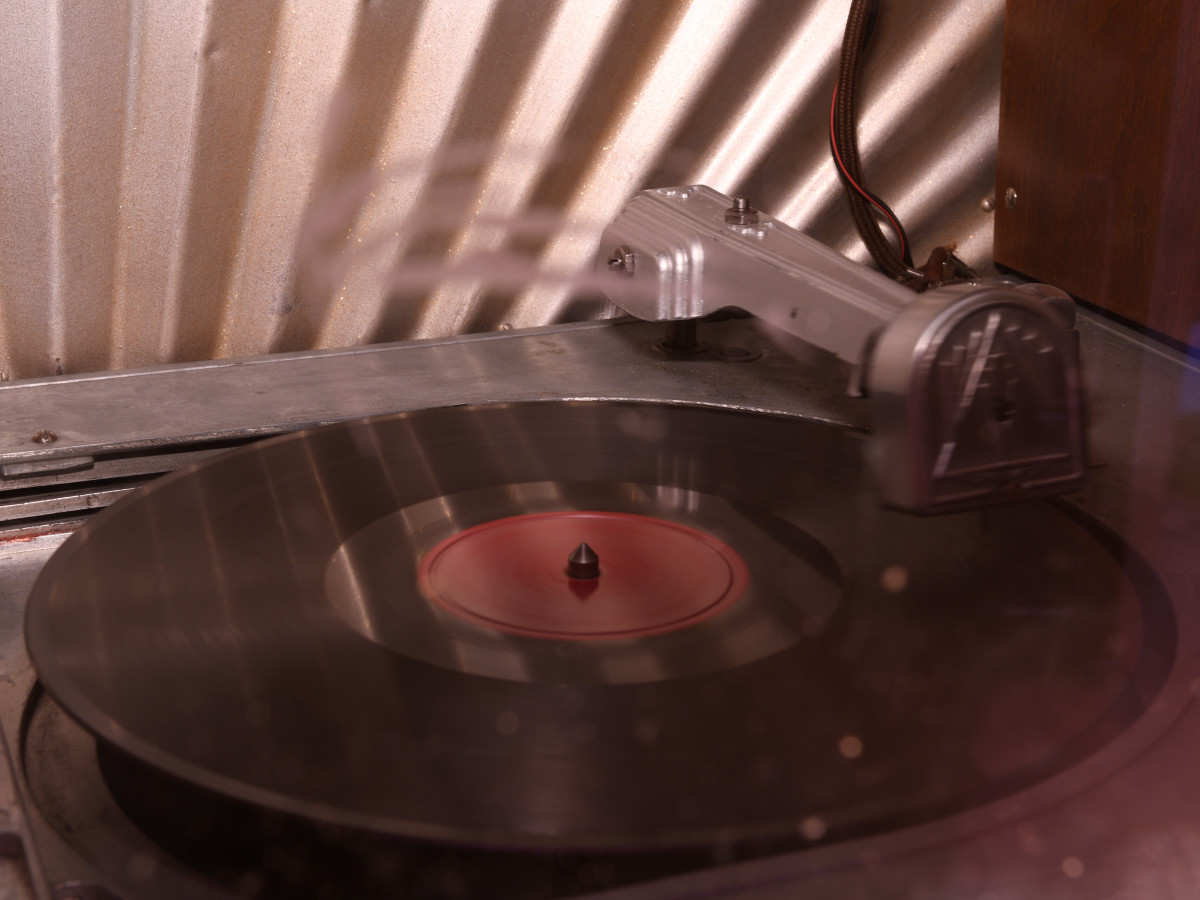
The “J” model offered playback of 12 single-sided 78 RPM records, which was quite competitive for its time. Technically solid and visually striking, it embodied the spirit of the Art Deco era — chrome, glass, light, and finely crafted wood.
The Symphonola J went on to inspire a generation of jukeboxes — not only at Seeburg, but across the industry. It proved that even in the 1930s, technology could be beautiful and music could have style.