
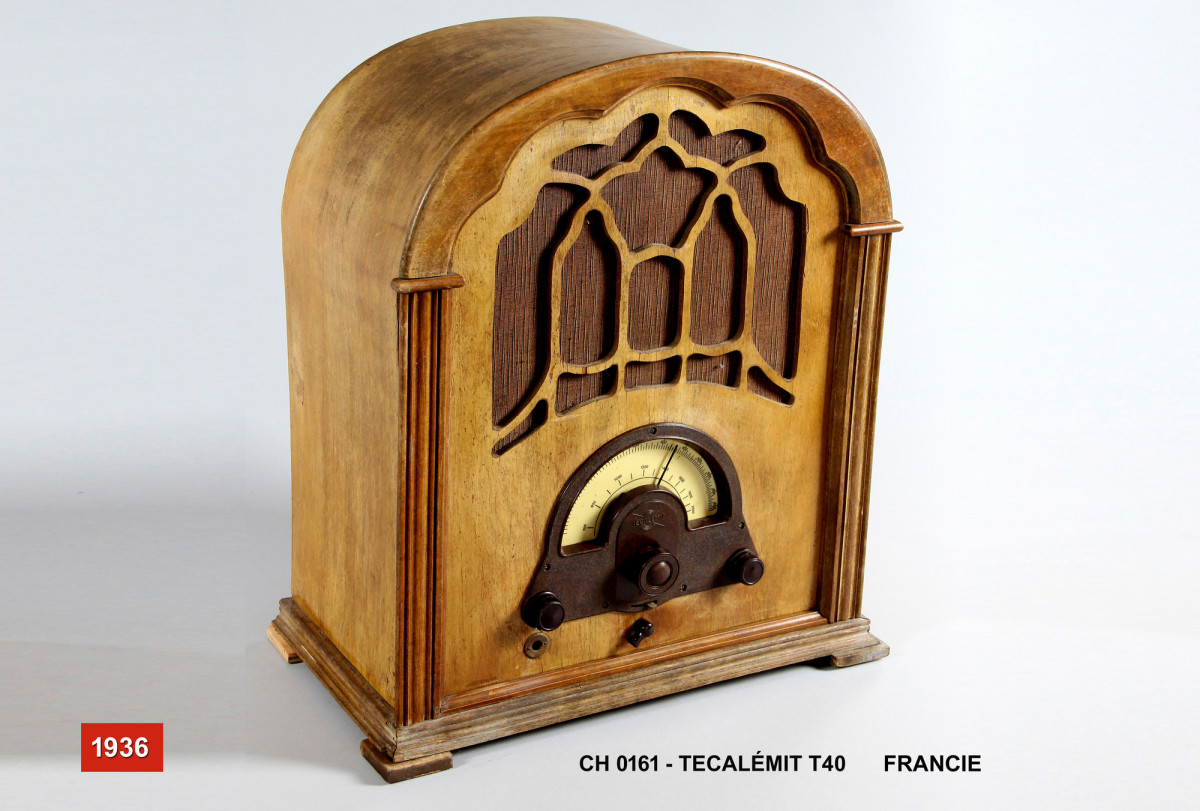
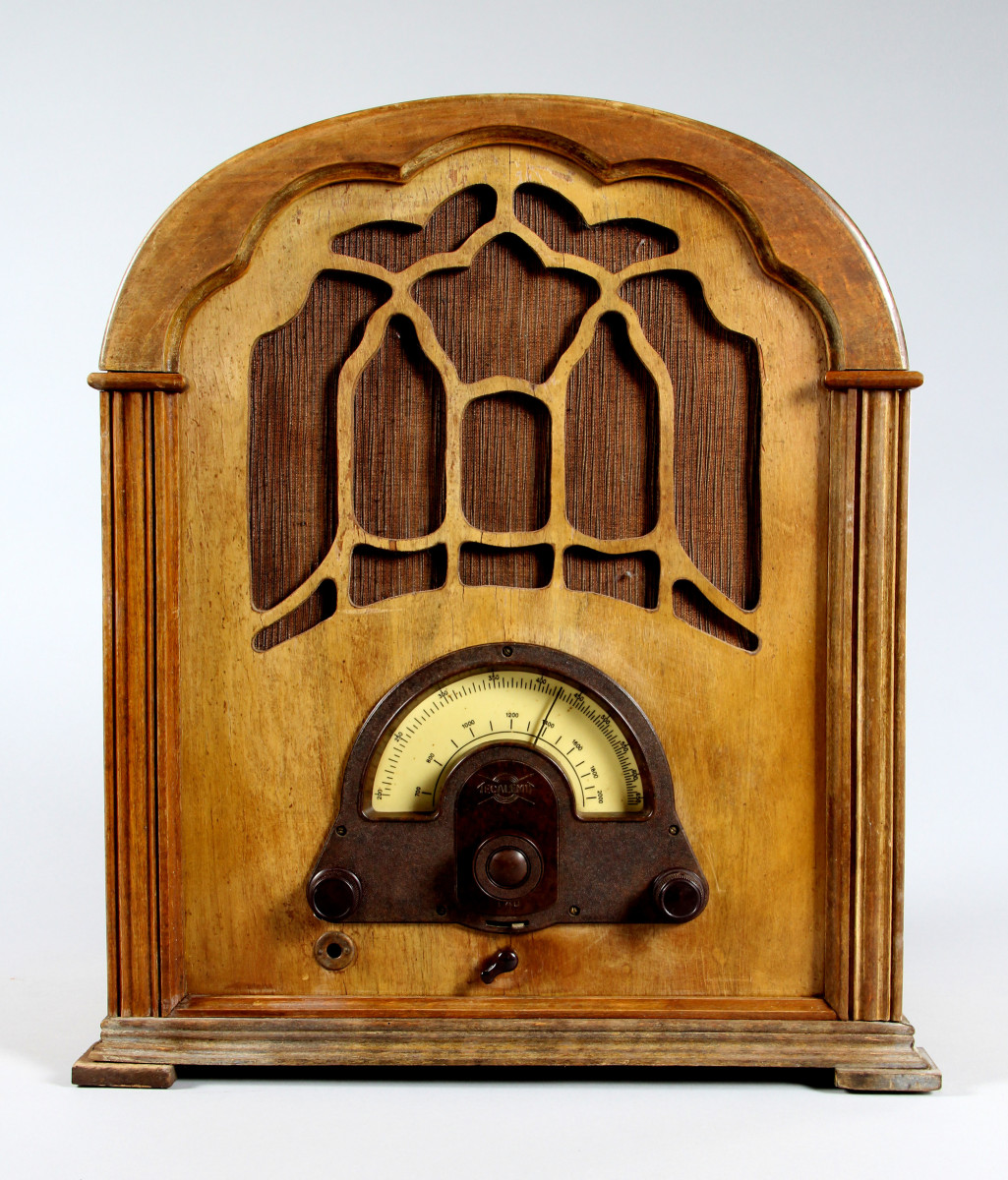
Another model in the iconic "cathedral-style" design. But why is it called that? Let's break it down step by step.
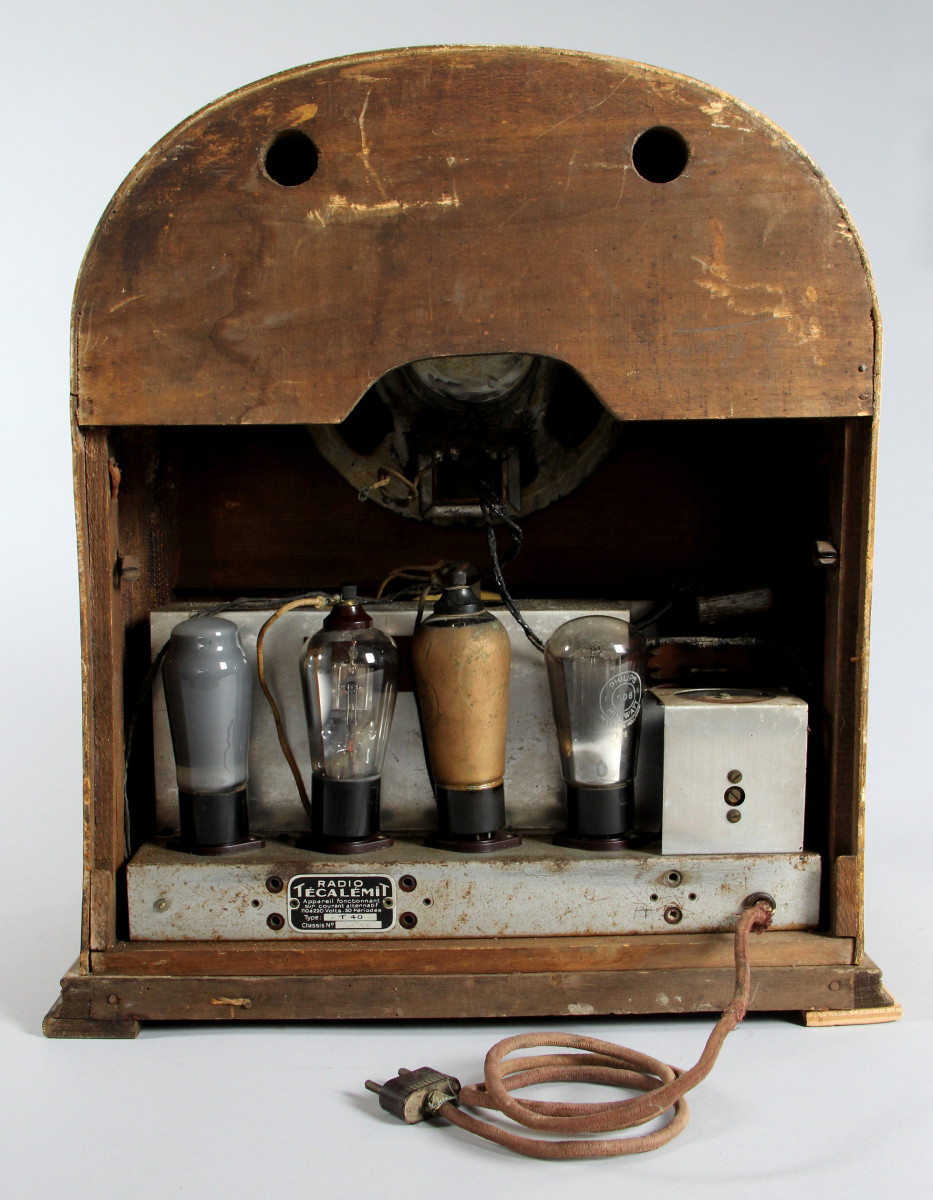
Originally, radio receivers were built without built-in speakers, meaning listeners had to connect headphones or external speakers to hear anything. The electronic components were housed inside a wooden case, giving them a distinct "box-like" appearance—hence the nickname.
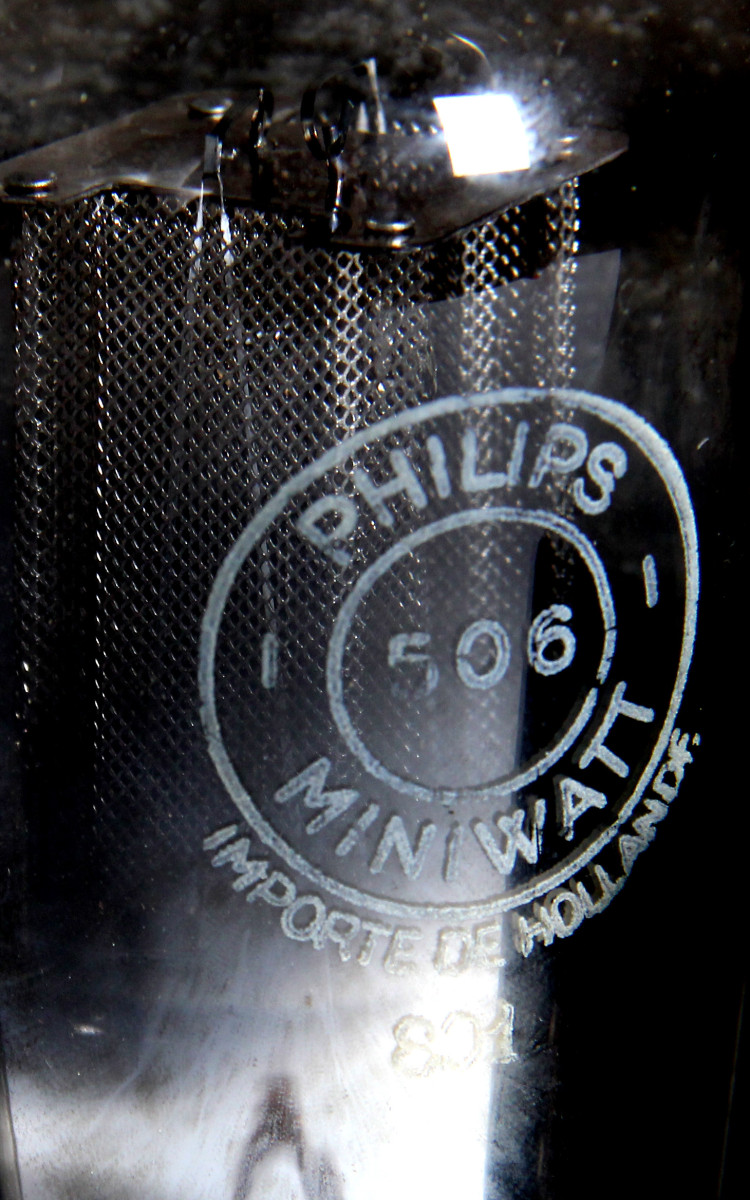
As technology progressed, in the early 1930s, someone at Philips had a breakthrough idea: why not integrate a speaker directly above the "box" within the same cabinet? This led to a design where the lower half housed the electronics, while the upper portion featured a speaker. The result? A unique shape resembling roadside chapels, thanks to its often arched or curved upper section.
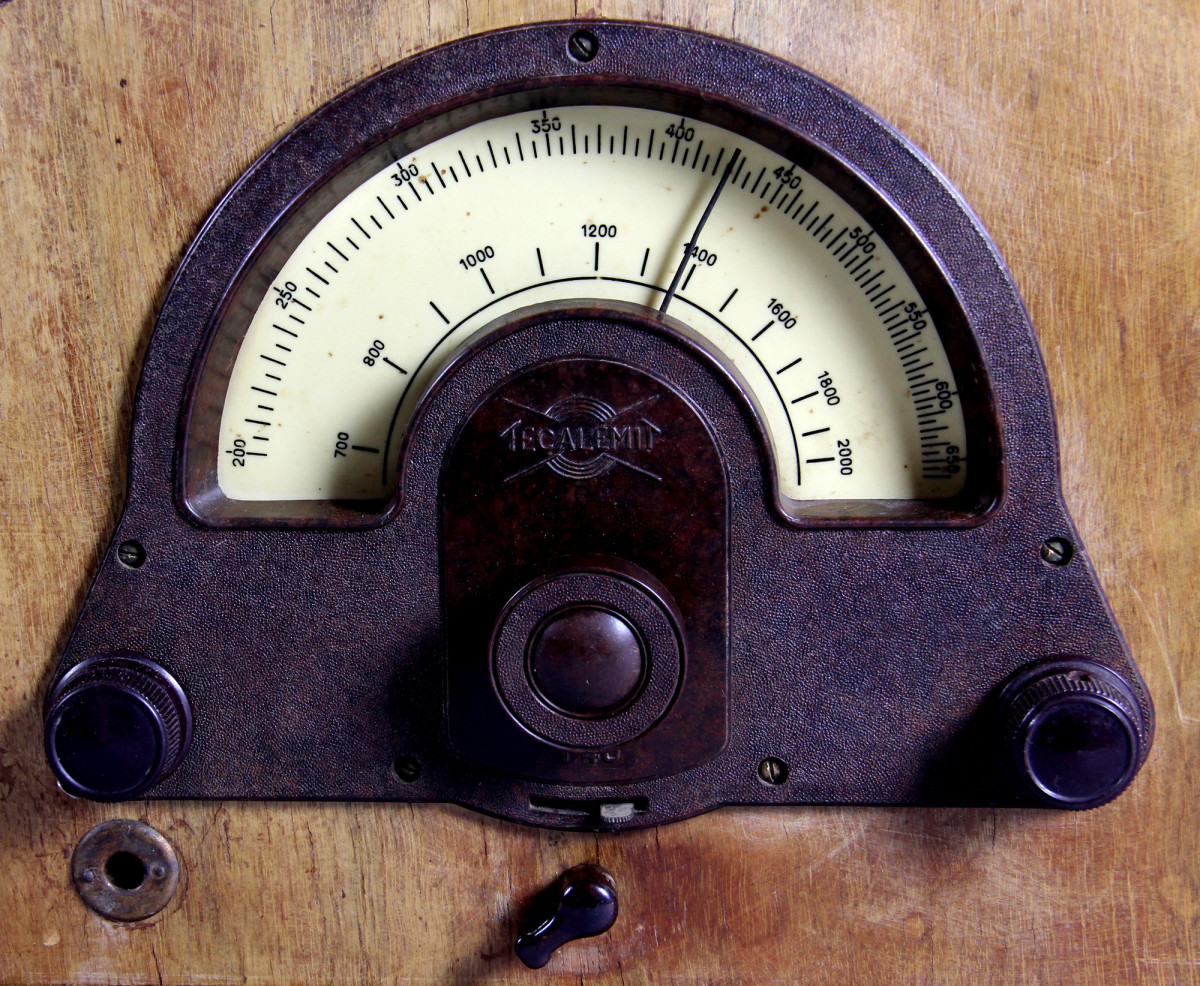
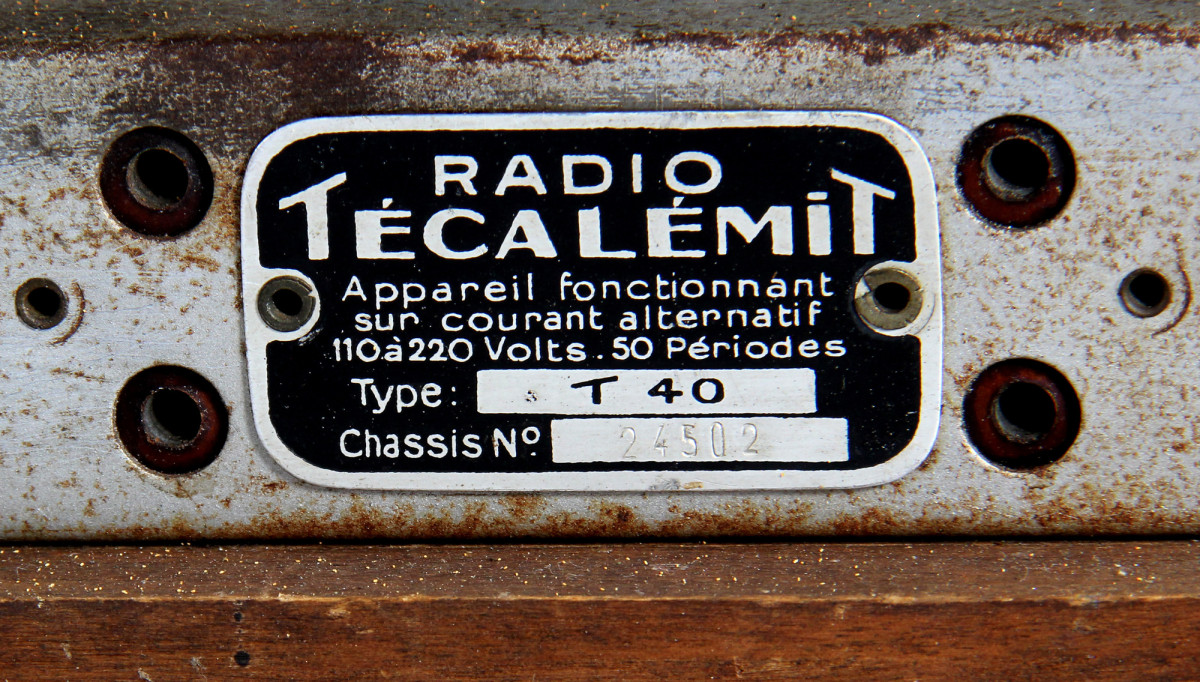
This particular radio, equipped with a connector for attaching a phonograph or an additional speaker, hails from a French company that had a short but fascinating history in radio manufacturing—spanning only four years, from 1932 to 1936.