
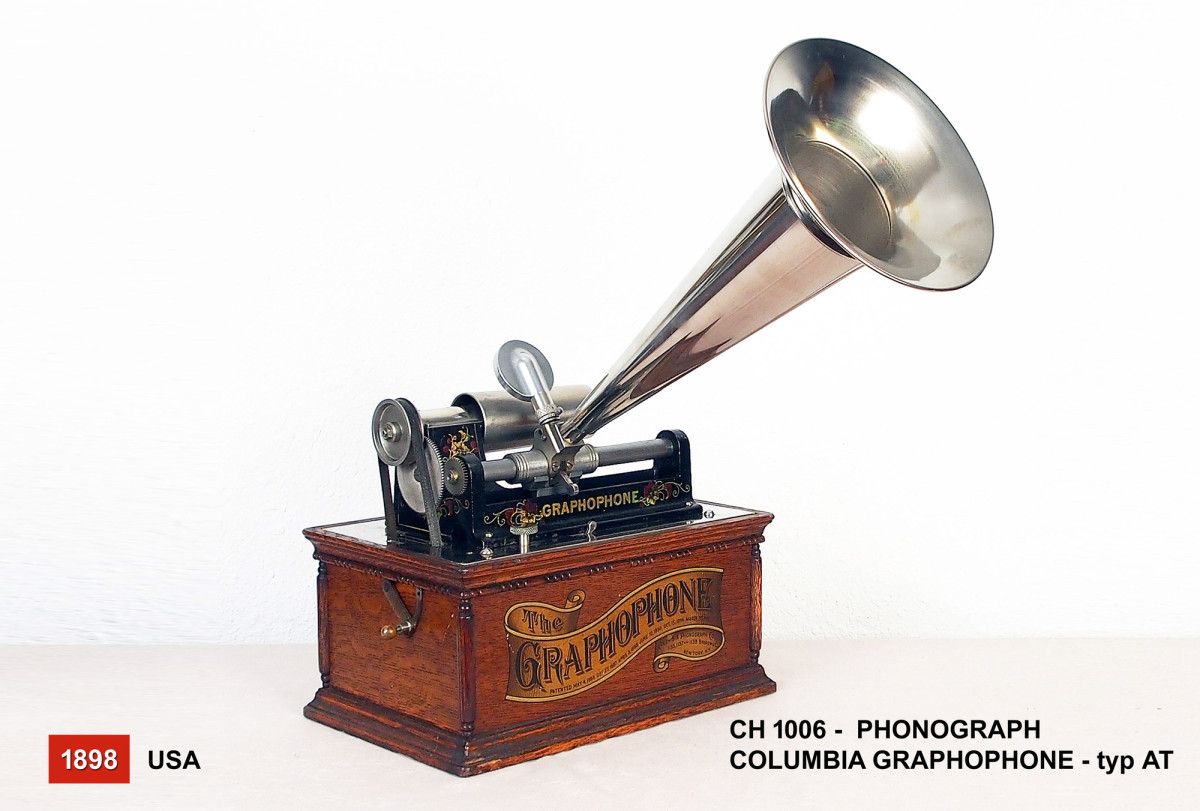
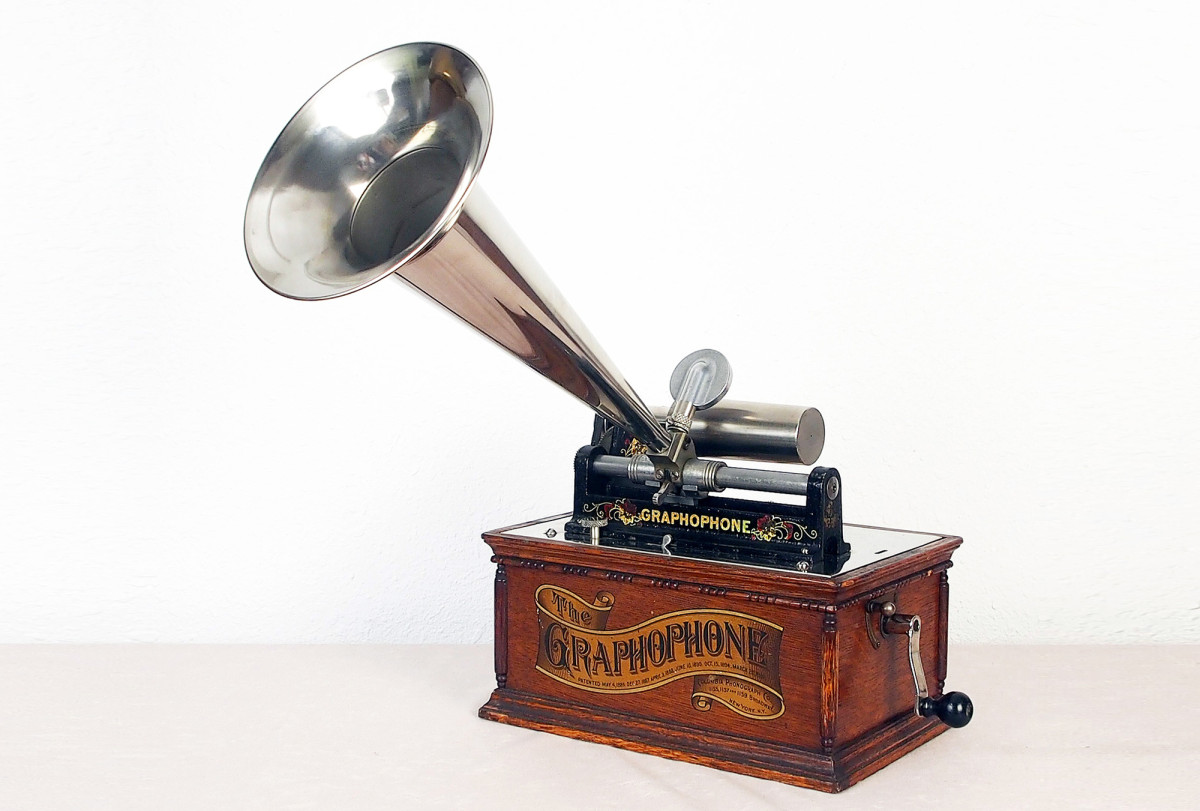
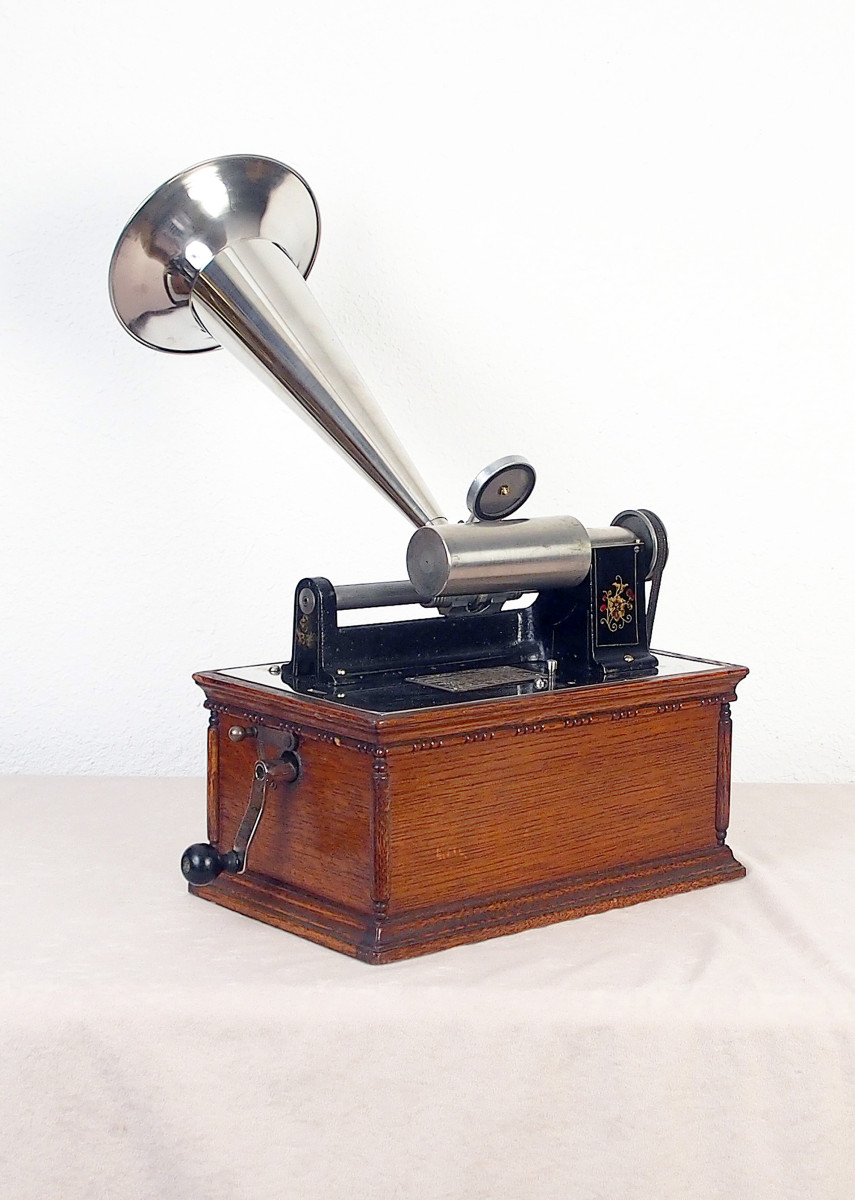
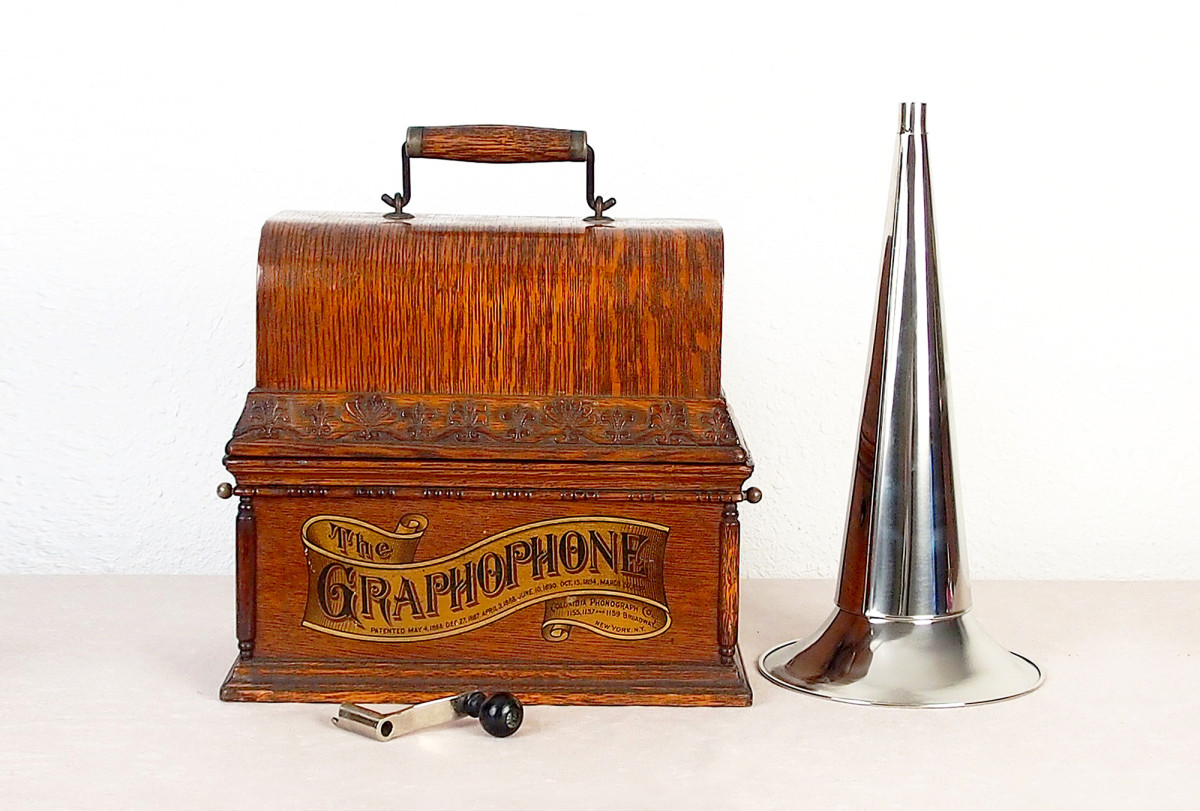
The Graphophone was an improved version of Thomas Edison's original phonograph, developed by scientists at the Volta Laboratory, founded by Alexander Graham Bell in Washington, D.C. This innovative device was gradually manufactured and sold by companies such as the Volta Graphophone Company, the American Graphophone Company, and later the Columbia Phonograph Company, which is still known today as Columbia Records.
Its development took five years and led to several key innovations. One of the most significant was the lateral recording method, which replaced the vertical recording style typical of Edison's phonograph. Another crucial advancement was the use of wax-coated cardboard cylinders instead of tinfoil, which greatly improved sound quality and extended the lifespan of recorded cylinders.