
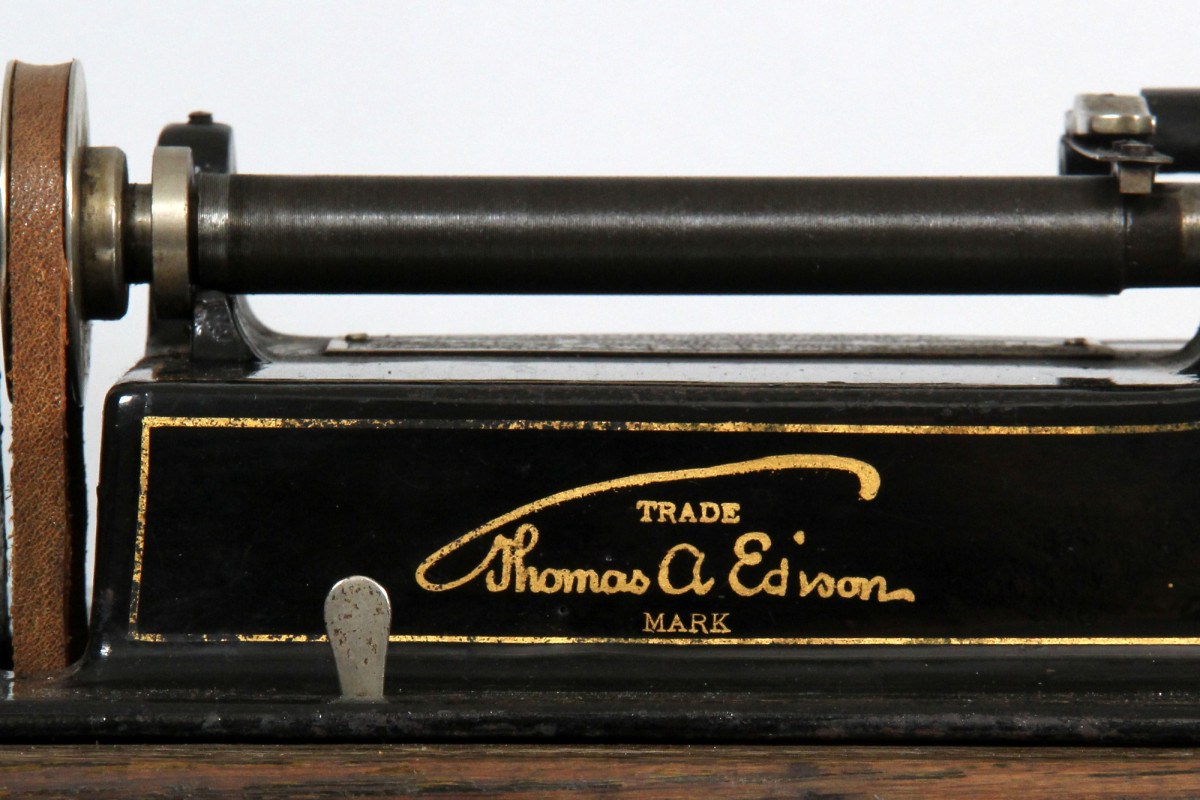
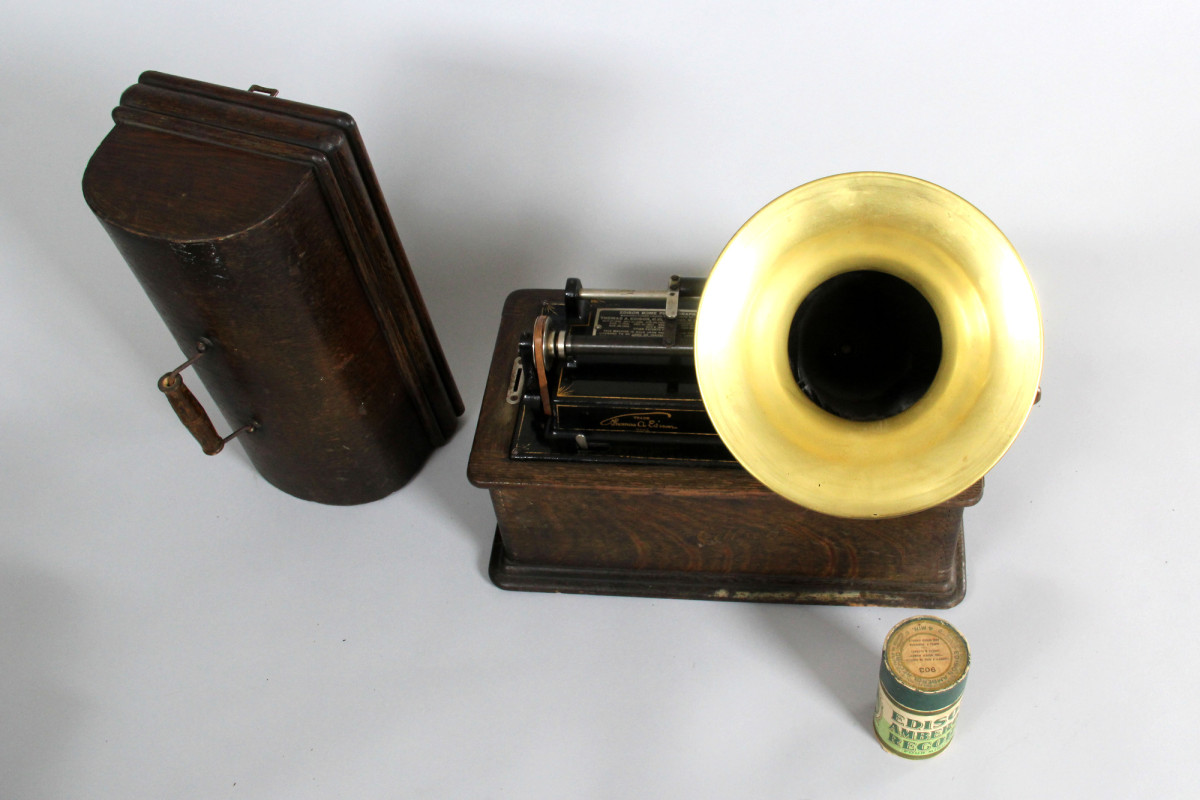
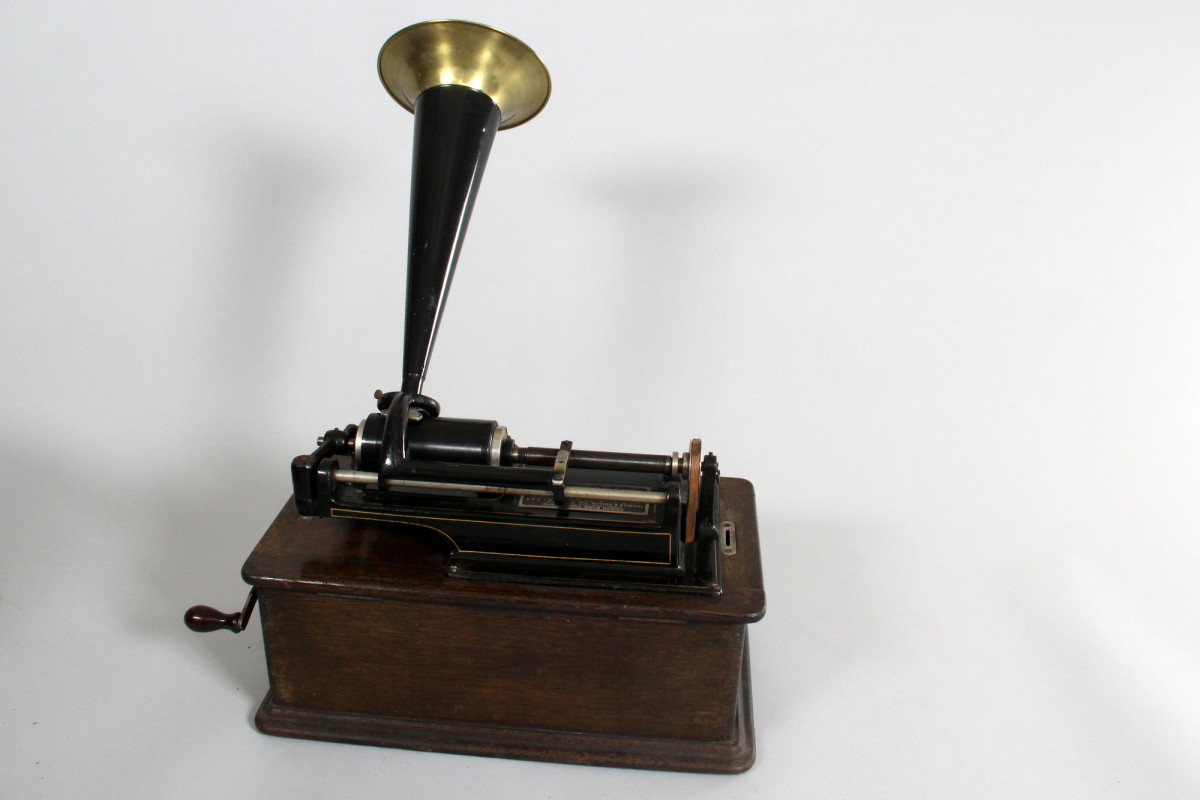
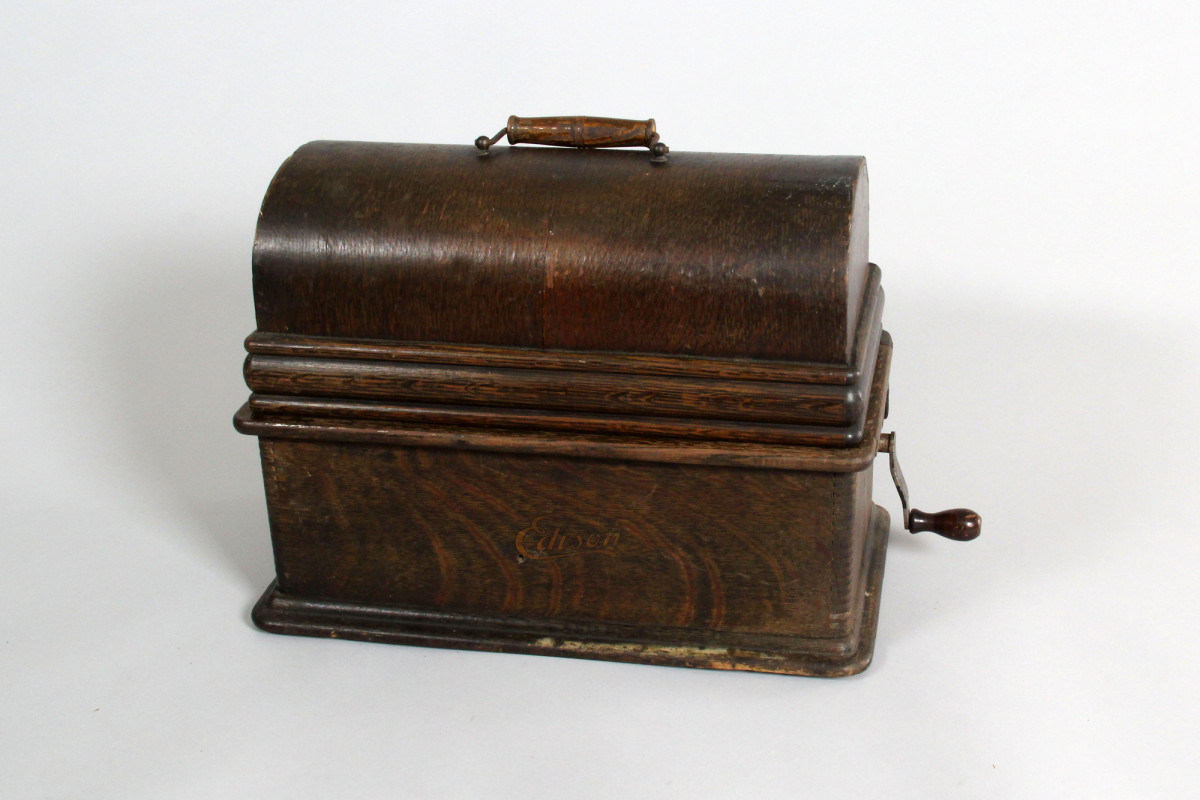
The development of Edison’s phonographs went through several key phases. If we summarize them briefly, here is an overview of the main models and their differences:
Early Years (1877–1890)
Edison’s Cylinder Phonograph (1877) – the first experimental device recording sound onto a thin tin foil.
Edison Class M (1888) – the first commercial phonograph using wax cylinders, primarily intended for office dictation.
Home Era (1890–1900)
Edison Home Phonograph (1896) – the first mass-produced model for households, operated by a hand crank or clockwork mechanism.
Edison Standard Phonograph (1898) – a smaller and more affordable model, highly successful.
Modernization and Improvements (1900–1910)
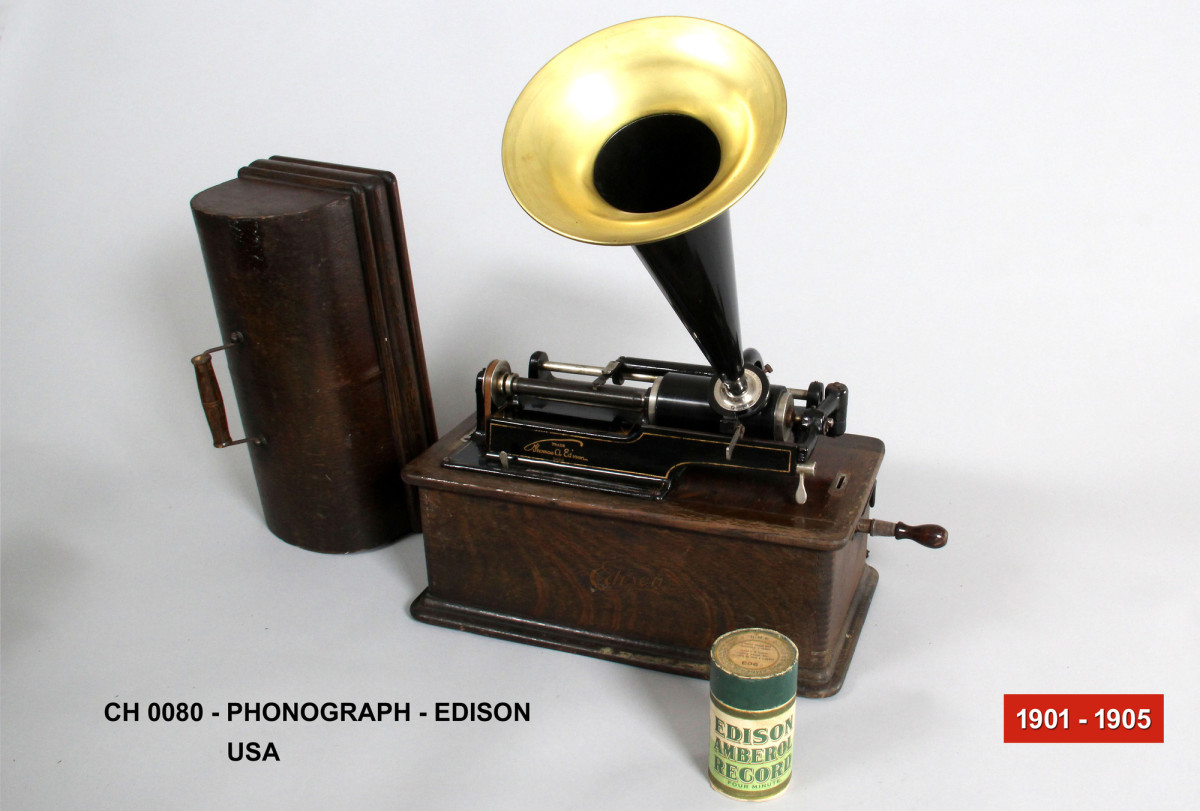
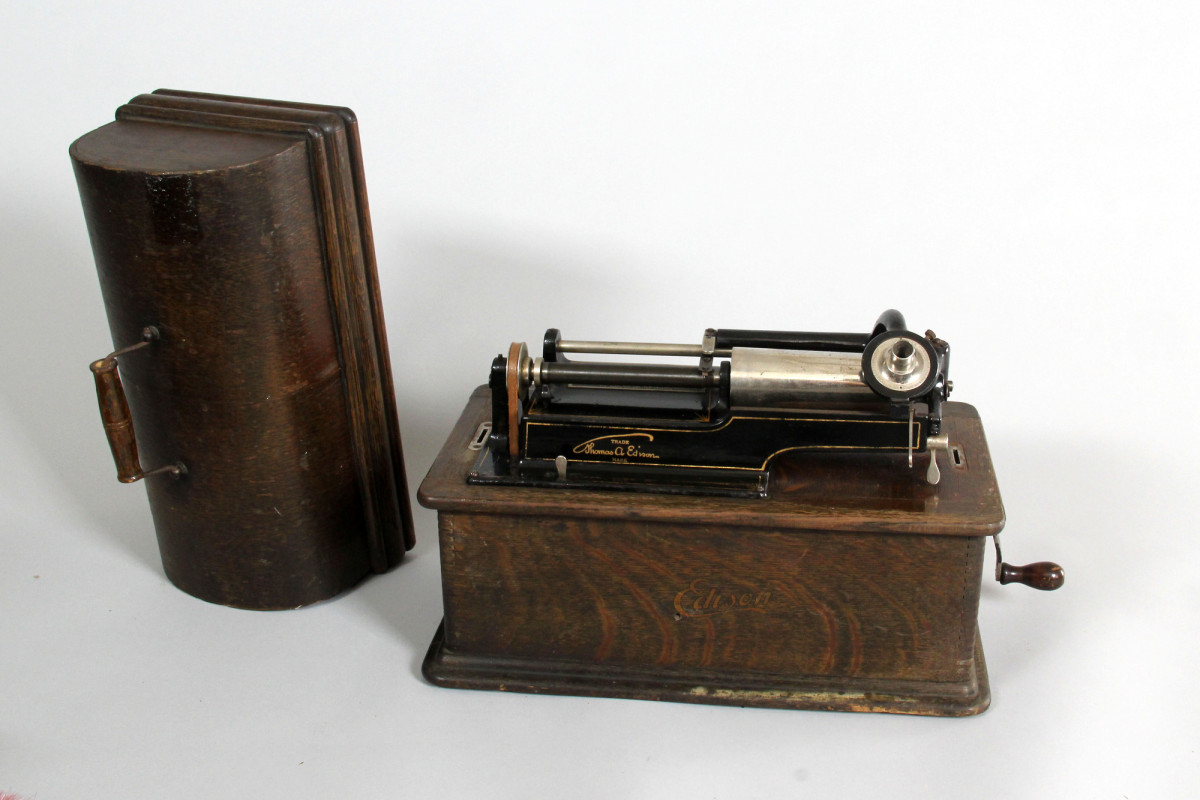
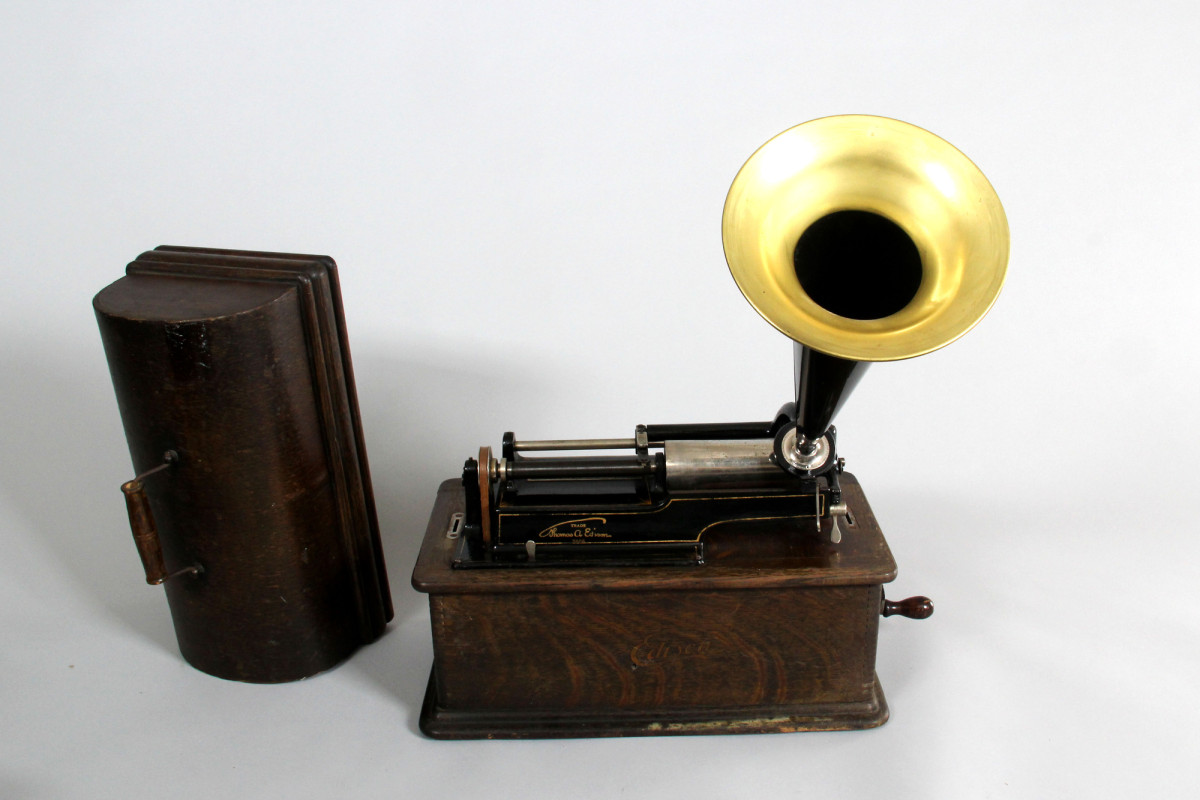
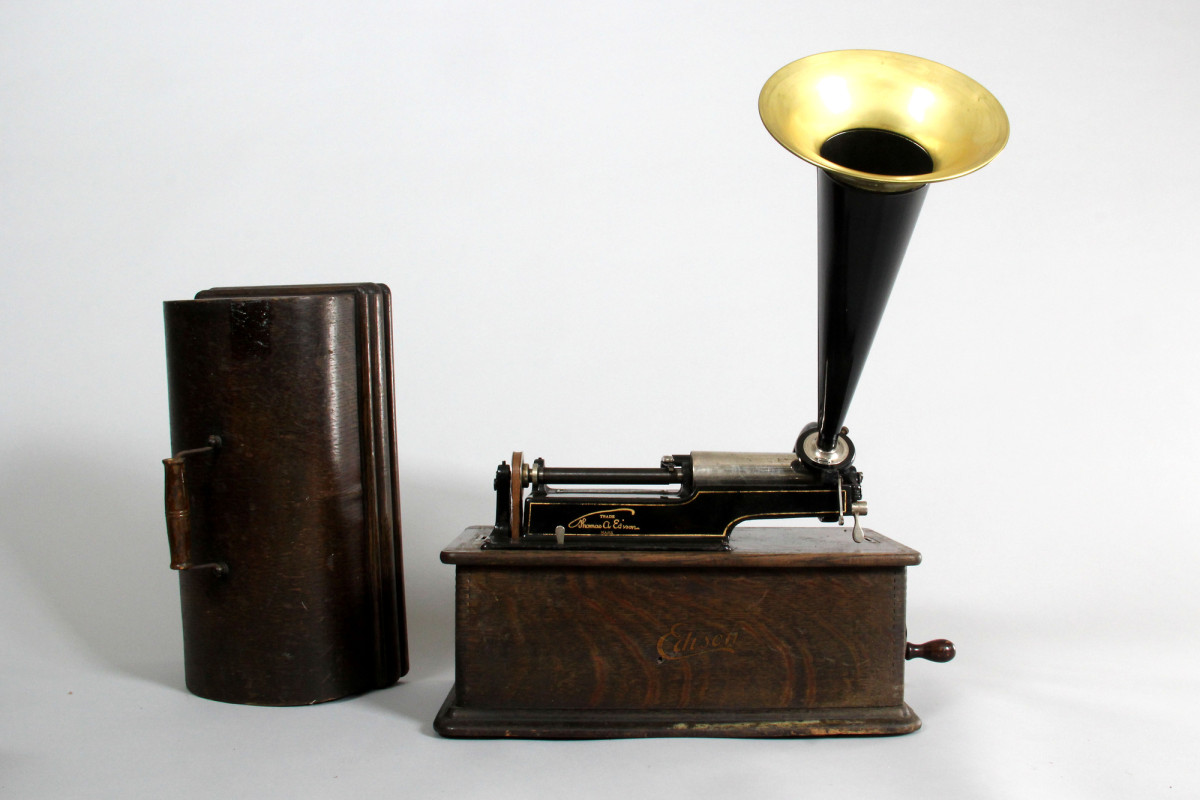
Edison Triumph Phonograph (1901) – a more robust device with a larger spring for extended playback.
Edison Model A Home New Style (1905) – an updated home phonograph with a more elegant cabinet and an improved sound conduit.
Transition to Blue Amberol and Disc Phonographs (1910–1929)
Edison Amberola (1912) – a phonograph adapted for the new, more durable Blue Amberol cylinders.
Edison Diamond Disc Phonograph (1913) – the shift to disc records, featuring high-quality sound thanks to a solid sapphire needle.
Edison C-250 (1915) – a luxury cabinet model with exceptional acoustic performance.
Edison Disc Phonographs (until 1929) – the final generation of Edison’s players, which failed to compete with modern electrical gramophones.
Each phase introduced mechanical, material, and sound quality improvements, but Edison remained firmly committed to cylinder technology—a decision that ultimately led to his lagging behind in the evolving disc record industry.