
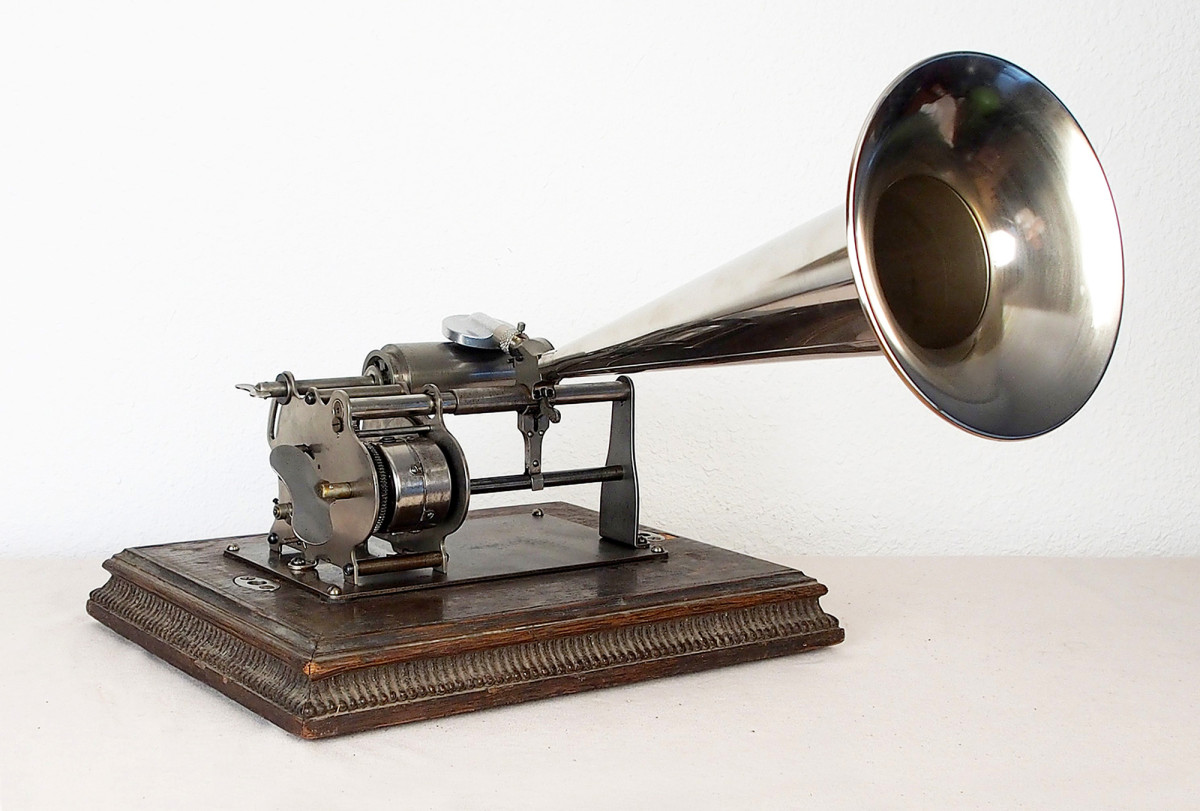
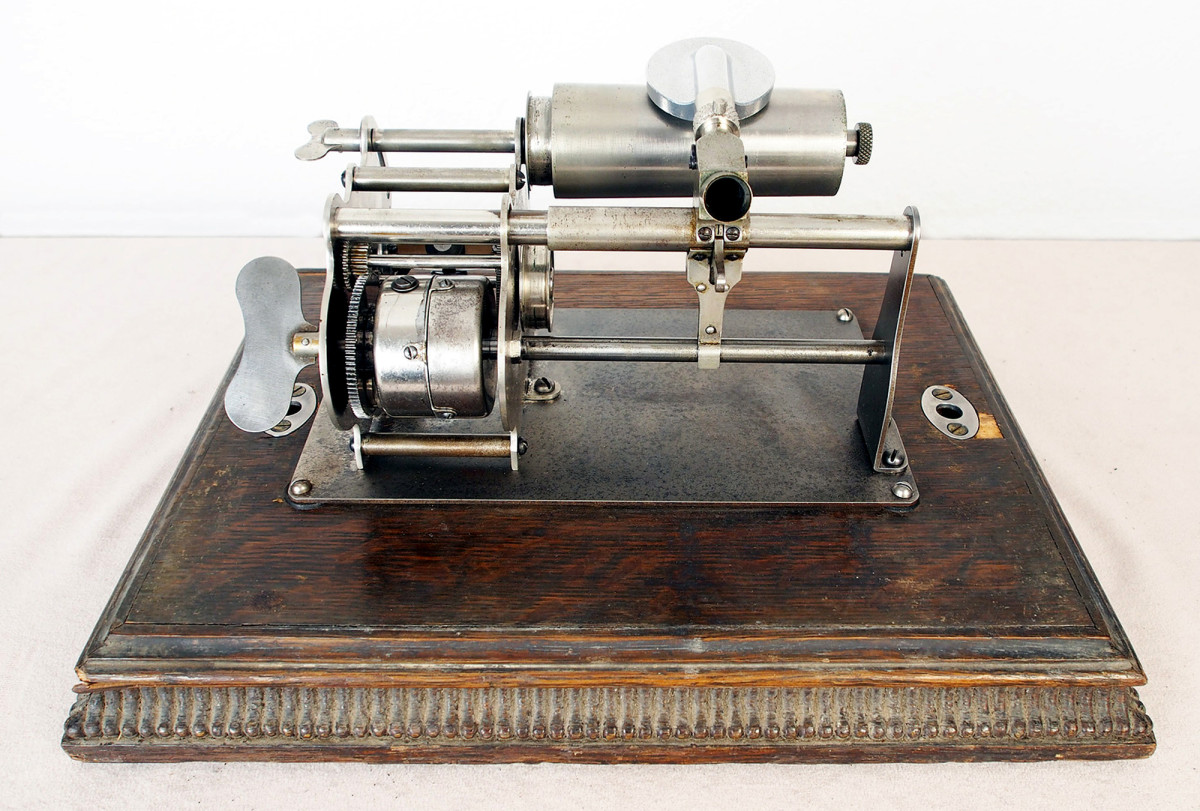
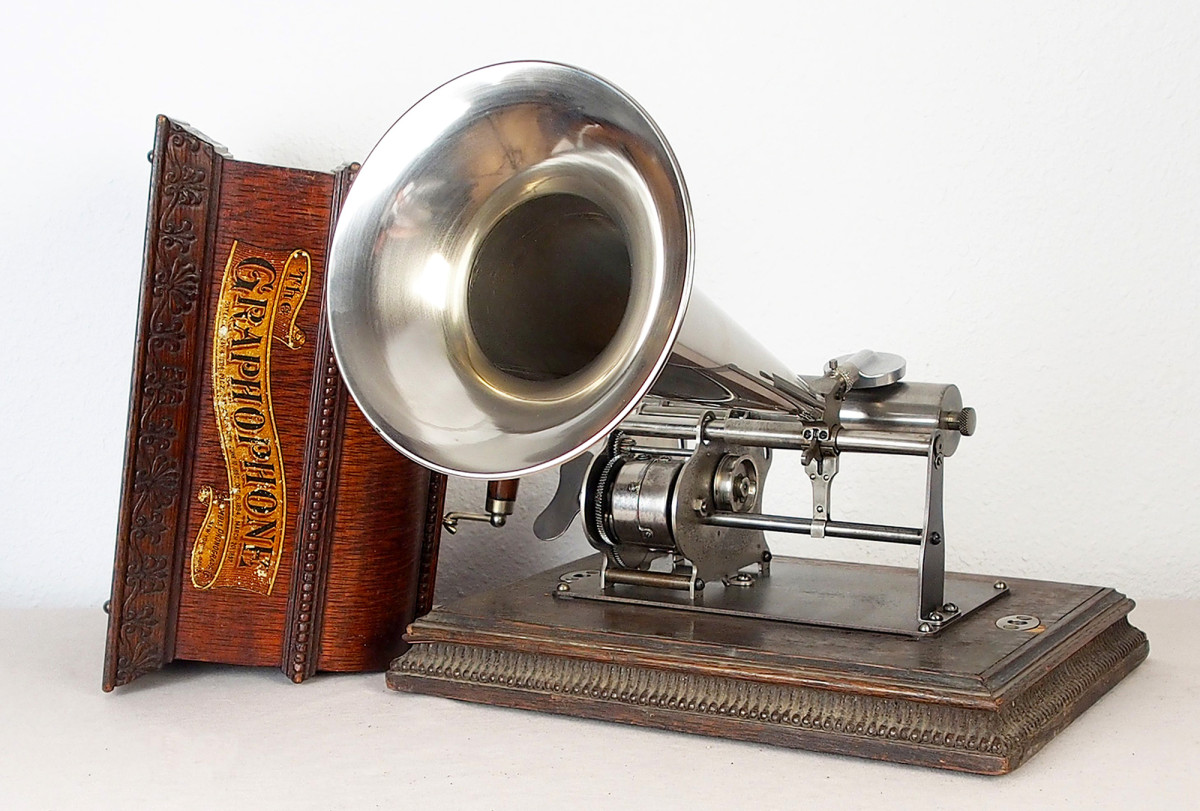
At the beginning of the 20th century, Germany saw the emergence of an independent phonograph industry, thanks in part to Excelsior Werke Köln. Through a licensing agreement with Edison, the company soon established a factory for producing phonograph cylinders, successfully supplying the market for several years.
However, this collaboration with the American Edison was met with resistance from other German manufacturers. In 1906, the magazine Die Sprachmaschine published a critical article expressing dissatisfaction with Excelsior’s support of Edison’s already dominant position. The article lamented that the company had not seized the opportunity to unite with the German cast cylinder industry and challenge Edison as an equal competitor.
Despite the rivalry, Excelsior Werke Köln remained one of Germany’s leading phonograph producers. With a well-planned marketing strategy, the company successfully expanded into the British market, offering models named after precious stones—Ruby, Pearl, and Diamond.